
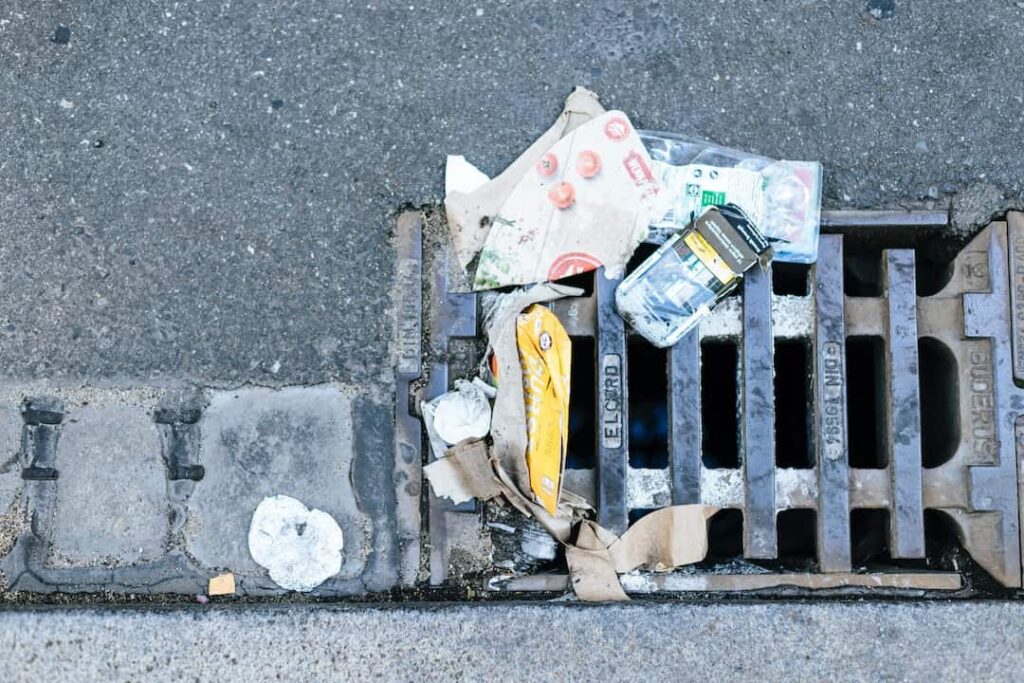
Imagine peeking into your basement or garage and being faced with a towering pile of unwanted items. From broken appliances to outworn furniture, and a sizeable amount of plastic waste, the sight alone is overwhelming. With this image in mind, one might ponder: “How should I dispose of this junk responsibly?” This article is poised to offer you insightful guidance on how to navigate through the clutter and make ethical decisions about waste disposal.
To discharge your garbage intelligently, it’s essential to be aware of the tremendous size and value of the waste industry and realize the revenue and employment opportunities it presents. Additionally, understanding the state of recycling in the United States instills a sense of responsibility towards recycling locally. Taking a step further, seeing the broader picture of global waste recycling and disposal rates provides perspective on our individual contributions to this global concern.
In this article, we’ll delve into these facets of waste disposal and equip you with the knowledge to dispose of your waste efficiently and responsibly. So whether you’re planning to donate, recycle, or dump your junk, let’s explore the most appropriate approach together in an attempt to achieve a cleaner, greener Earth.
The Size and Value of the Waste Industry
Imagine a world of mind-boggling stats: billions of dollars, heaps of refuse, a labyrinthine network of waste removal and recycling operations. This is the reality of the U.S. and global waste industry, a sector that handles the refuse we produce every day. With significant figures attached to it, this industry constitutes an impactful segment of our global economy, and it’s only growing each year.
U.S. Waste Industry
In the United States, the waste industry plays a phenomenal role in managing and recycling tons of daily garbage. Let’s put this into perspective: the U.S. waste industry is estimated to be a staggering $75 billion pursuit annually. But this mammoth figure is by no means static. An eye-opening data point reveals that the U.S. waste and recycling industry was estimated at an amazing worth of $91 billion in 2022. This significant rise underscores not only the industry’s mounting scale but also its fundamental role in our economy.
All said, behind these numbers lie intricate disposal processes, tireless efforts from waste management professionals and foremost, a shared commitment to a cleaner, healthier environment.
Global Recycling Rate
If you pivot your view to the global landscape, the value of recycling becomes incredibly clear. However, the world’s current recycling rates might surprise you. Despite advancements in technology and heightened environmental awareness, only 13% of the world’s trash is recycled, painting a somewhat somber picture.
But it’s not all gloom and doom. This seemingly low percentage also presents the potential for growth. It’s envisioned that as more people become aware of the importance of recycling, coupled with advancements in recycling technology and supportive regulatory policies, the global recycling rate will experience a surge in the coming years.
The waste and recycling industry indeed holds immense value – not just in dollar terms, but more importantly, in its role in promoting a sustainable and environmentally-friendly future. As more light is shed on this crucial industry, it’s expected to continue its upward trajectory, making our world not only cleaner but also greener.
The Revenue and Employment in Junk Removal Sector
In a view of the broader market, you might be amazed at the financial power hidden within the seemingly humble junk removal sector. Many may consider junk removal to be a basic public service, one that does not hold significant economic weight. However, the opposite is true. This unsung industry’s contribution to not only our daily lives but also our economy, is staggering.
The junk removal industry is quite the power player—an annual generator of $10 billion in total payroll. That’s right—a staggering 10 figure contribution, silently keeping the economic wheels spinning, all while ensuring our surroundings are pleasantly debris-free.
So, how about individual businesses within the junk removal market landscape? Well, far from lagging behind, they exhibit impressive financial stamina. A junk removal business can bring in a handsome revenue of about $1.4 million annually, on average.
This economic might is not only confined to revenue, but it also reflects in the industry’s employment ability. Every financial year, the sector witnesses a dynamic labor market where hundreds of jobs are created and filled. This constant cycle of job creation and absorption contributes significantly to reducing unemployment rates and upholding the living standards of numerous families.
In essence, the junk removal sector acts as a silent yet powerful economic ally, always contributing its fair share and more. From generating billions in total payroll to offering an attractive revenue platform for the individual businesses, it doesn’t cease to surprise with its potential. Moreover, it effectively helps combat job scarcity, thus playing a crucial role in maintaining the general economic health.
The next time you notice a junk removal truck, remember – it’s not just a service vehicle. Instead, it’s a symbol of an often-underestimated economical powerhouse, quietly but effectively driving significant facets of our economy forward.
The State of Recycling in the United States
The journey of an object, from use to reuse, is an extraordinary tale of transformation. At the heart of this process is recycling – the bridge between the old and the new and a crucial tool in our fight against debilitating environmental degradation. Yet surprisingly, despite its significance and the accessibility of recycling services, the United States sees a shocking contrast between the quantity of recyclables produced and the amount that eventually get recycled. Armed with insightful numbers and substantial data, let’s delve deeper into this quirk.
Recyclable Materials and Statistics
It’s evident that the United States generates a substantial amount of waste that can be recycled. Alarmingly, despite this potential, only around 28% of waste is actually recycled. That’s a mere 34% of the nearly 80% that could otherwise have been repurposed or reused in some form. This colossal discrepancy becomes even more glaring when we consider specific categories of waste.
- Only a small fraction, 9%, of plastic waste gets recycled. When the figures for plastic recycling were first compiled in the nineties, this figure was a more promising 22%. There’s been a definite backslide since then, highlighting the urgent need for more effective waste management strategies.
- The scene isn’t any less grim when it comes to furniture. Each year, nearly 9.7 million tons of furniture, most of which might be usable or recyclable, find their way into landfills instead. Wasted opportunities indeed.
These statistics serve as a stark reminder of the chasm between the potential and the actual state of recycling in the United States.
Furniture and Plastic Waste
Apart from the usual suspects like paper and glass, items such as furniture and plastic also have significant recyclable potential. Yet, as the data illustrates, an overwhelming majority of these items end up in landfills.
- Furniture recycling is yet another area where substantial strides could be made. More often than not, items discarded as waste still have the potential to be refurbished or broken down for parts. The challenge here lies in streamlining the collection and recycling processes.
- The story of plastic recycling is similarly agonizing. Despite plastic’s inherent recyclability and the environmental dangers posed by plastic waste, we’re seeing a steep decline in plastic recycling rates. It’s a trend that needs urgent reversal.
These issues underscore the necessity to rethink recycling practices, address the roadblocks, and harness the untapped potential for a cleaner, greener, and more sustainable future. A future where nothing goes to waste, and every piece of trash finds a new purpose in our building of a sustainable tomorrow.
Global Waste Recycling and Disposal Rates
In this day and age, the entire globe faces the challenge of waste management. With the population exponentially increasing and consumption levels hitting the roof, rubbish is piling higher than ever. Inconceivably, less than 20% of global waste undergoes recycling each year, building a mountainous problem that places humanity’s environmental resilience to the test.
The issue hits home particularly hard in the United States. It is startling to acknowledge that the average American generates almost one ton of trash annually, dramatically swelling the piles of non-biodegradable waste littering our planet. Unsorted garbage isn’t just a visual eyesore and a threat to our surroundings – it’s an economic setback. The bulk of these unused resources could actually be of monetary value. For instance, rubber, wood, leather, and textiles make up roughly 15.1% of America’s waste, all of which can be exported, reused, or transformed if properly recycled, ultimately serving as an economic driver.
Picture this for a moment:
The mounting piles of trash could be swapped for mountains of reusable materials instead!
Wouldn’t that paint a bright, green picture of the future? Unfortunately, the reality check and the figures don’t sync. The weight of unrecycled waste keeps pushing the scales, calling for an urgent and thorough reshaping of our waste management strategies.
However, it’s not all doom and gloom. The invaluable potential of waste recycling is slowly being realized, with communities, organizations, and individuals striving to close the recycling loop. This reinstates hope for a tidier, cleaner planet where waste recycling may no longer be the exception, but the norm.
After all, the call to treat all waste as a resource is not merely about achieving sustainability in the literal sense. It’s about an evolving mindset, centering on efficiency, and driven by the responsibility we hold towards the next generation and the Earth they will inherit.
With each small act of waste sorting, recycling, and disposal, let’s take a step closer to the green future we dare to envision. Remember, it starts at home – because in the long run, every single bit, or shall we say, every single bit of trash, does indeed, count.
The Efficient and Responsible Approach to Junk Removal
There’s no better feeling than decluttering your home, except maybe knowing that you’ve done it in the most efficient and eco-friendly way possible. So, if you’re planning a major clean-up, or if you’re moving and have a heap of items you no longer need, consider adopting an efficient, responsible approach to junk removal. This not only contributes to a greener, cleaner environment but can also benefit individuals in need and promote sustainable living.
Opt for Donation
One man’s trash is another man’s treasure, as the saying goes. An effective first step in responsible junk removal is to establish what’s genuinely waste and what could potentially be of use to someone else. Any item that’s still in good condition – from old clothes and furniture to electronics and appliances – could be donated to a local charity or non-profit organization.
- It’s heartwarming to know your items, once loved, can find new life in a different home, facilitating a cycle of giving and reuse.
- Donating not only redirects useful items from the landfill but can also provide individuals and families in need with much-needed resources.
- Bear in mind that some organizations may have specific donation policies. Always call ahead or check their website to see what items they do and don’t accept.
Promote Recycling
If you’ve sifted through your belongings and identified items that aren’t suitable for donation, it’s time to consider recycling. Metals, plastics, glass, paper, and a host of other materials can often be recycled rather than added to the growing mountains in landfill sites.
- Make an effort to sort your waste, separating recyclable items from general trash.
- Familiarize yourself with the recycling guidelines in your local area – not everything can be put in the recycle bin.
- Old electronics, known as e-waste, can often contain hazardous materials. It’s essential to dispose of these items at approved recycling centers to prevent environmental contamination.
Remember that every item we avoid sending to the landfill makes a considerable difference. The transition may require a little effort initially, but prioritizing efficient, responsible junk removal is an invaluable contribution to a sustainable future. After all, the world is what we all have in common, so let’s do our part to protect and preserve it for generations to come.
Conclusion
Taking a responsible approach to junk removal doesn’t have to be a complex task if we properly understand the avenues available such as donation and recycling. As conscious consumers and responsible citizens, it is within our means to contribute positively to the waste management cycle and support the recycling industry.
Choosing a reliable and ethical junk removal service is one way to ensure you’re on the right path. JDog Junk Removal And Hauling, a company with a strong foundation in respect, integrity, and trust, makes this even easier for us. They provide residential and commercial junk removal services without any hidden fees. Their commitment to recycling, repurposing, and donating items is not just commendable, but also supports those in need in the local communities.
By opting for services like those from JDog, you’re not merely clearing space in your home or office; you’re contributing to a more sustainable environment, and supporting local Veterans. A responsible approach to junk removal, therefore, goes far beyond simple waste disposal—it touches on environmental sustainability, community support, and economic growth. Be it donation, recycling, or ethical dumping, every choice matters.
Remember, every item responsibly disposed of is a step towards a greener and cleaner world. So the next time you think about disposing of your junk, choose the efficient, responsible way—choose JDog.
Frequently Asked Questions
- What items can I donate instead of dumping?
You can donate items such as clothing, furniture, appliances, electronics, books, toys, and household goods instead of dumping them. Make sure the items are in good condition and check with local charities or thrift stores for donation guidelines.
- How can I find local donation centers or charities?
To find local donation centers or charities, you can use online directories, search engines, or apps that specialize in locating nearby donation options. Local community boards, social media groups, and word-of-mouth recommendations can also provide valuable information.
- What items should I recycle instead of dumping?
Items such as paper, cardboard, glass, plastic bottles, aluminum cans, batteries, electronic waste, and certain types of hazardous waste should be recycled instead of dumped in the regular trash. Check with your local recycling facilities for specific guidelines.
- How do I properly dispose of hazardous waste?
Hazardous waste, such as chemicals, pesticides, oil, paint, and batteries, should be disposed of at specialized collection centers or events organized by local authorities. Contact your local waste management department or visit their website for information on hazardous waste disposal.
- What should I do with items that are not suitable for donation or recycling?
For items that are not suitable for donation or recycling, such as broken furniture, unusable electronics, or heavily damaged goods, you should dispose of them responsibly. Contact your local waste management department to inquire about proper disposal methods or arrange for bulk waste collection.