
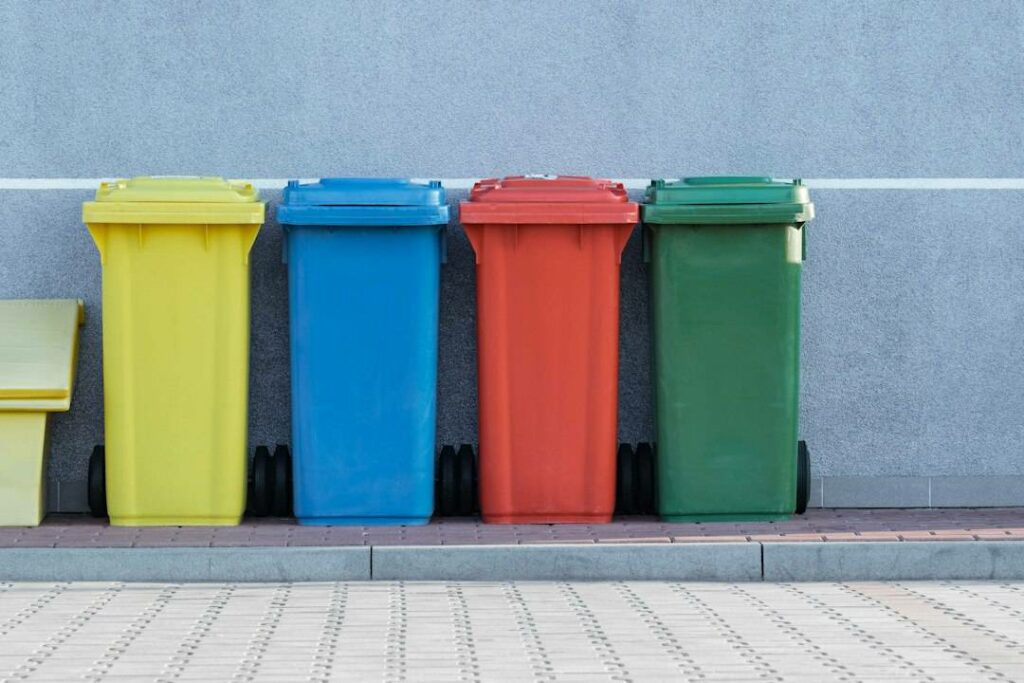
In a world grappling with climate change, taking action on how we handle our waste has never been more critical. Picture this: mountains of landfills teeming with all forms of junk, from garden waste to outdated electronics, a clear testament to our disposable culture. This powerful visual underlines the significance of effective waste management and the role it can play in protecting our planet. Specifically, an eco-friendly approach to junk removal can be a game-changer, considering the escalating waste generation trend. This article delves into the current state of waste management, its economic implications, the importance of a sustainable approach, and a glance into the future of eco-friendly junk removal. It’s a glimpse of the intersection between economic progress and environmental responsibility, and the steps we can take to ensure a cleaner, greener tomorrow. Brace yourself for an enlightening exploration of the less talked about, but undoubtedly momentous matter, that is waste management.
Current State of Waste Management
The unseen behemoth of global waste is a daunting challenge for governments, businesses, and individuals worldwide. In the face of such stark realities, the current state of waste management is a topic that demands urgent attention and committed effort. This pressing issue doesn’t only encompass an environmental challenge but is also intertwined with socio-economic and health problems. From recycling stats to waste generation forecasts, understanding this diverse landscape can help us stride towards a more sustainable world.
Global Waste Management
In a world that is increasingly urbanized and affluent, the waste we generate has become a by-product of our lifestyles, and effectively managing it is much more complex. However, looking at the global scale brings a plethora of variations. Different regions have disparate ways of dealing with waste due to local customs, waste and recycling technologies, policies, regulations, climate, and demographic factors.
While some countries exemplify best practices in waste management, others struggle due to inadequate infrastructure or lack of awareness. For instance, the global recycling rate for municipal solid waste (MSW) stands at just around 32%. This means that a staggering 68% of waste is not recycled. To put it into context, only 13% of trash is recycled globally.
Recycling Stats
Recycling is like the poster child of environmental sustainability – a beacon of hope in the face of the ghastly waste crisis. However, even with its promising potential, recycling rates are far from ideal. In the United States, although 75% of waste is recyclable, only a meager 30% of it is actually recycled. This points to a significant gap between potential and practice and underscores the need to look beyond recycling as a blanket solution to waste issues.
In 2018, around 69 million tons of municipal solid waste were recycled, which is an encouraging figure. However, we must recognize that recycling alone can’t keep pace with our current levels of waste generation. To truly curb the waste crisis, we need a multi-pronged approach that combines recycling, waste reduction, and smarter product design.
Waste Generation Forecast
The realities of our waste generation aren’t pretty now, and the future doesn’t look much better either. Current trends suggest that global waste generation is on a steep incline. If nothing changes, the World Bank predicts a worrying 70% increase in global waste by 2050. Such a massive surge in waste poses a grave threat not only to our environment but also to public health and economic stability.
Addressing the current state of waste management demands critical reconsideration of our consumption patterns, proactive policies, technological innovation, and above all, a collective commitment to sustainability. Let’s take this as a wake-up call to rethink our relationship with waste and adopt more sustainable lifestyles before it’s too late.
Economic Impact of Waste Management Industry
The ability to efficiently handle, repurpose, and discard waste materials is an indelible part of modern societal infrastructure. The waste management industry, often overlooked, plays a pivotal role in maintaining not just the cleanliness of our settings, but also the health of our economies. In fact, the economic contribution of this industry is staggering, elucidating its importance in a whole new light.
Operating at the forefront of sustainability, the waste management industry has a vital impact on economies worldwide, offering opportunities for job creation and significant tax revenues. Its influence also extends to driving clean energy production, promoting recycling, and much more. On top of these contributions, the industry is also renowned for its resilience, maintaining stability even amidst challenging economic periods.
Not many are aware that the global waste management industry had a whopping market value estimated at 1.6 trillion U.S. dollars in 2020. This staggering figure hints at the predominantly undisputed role that waste management plays in our world. It’s not just about gathering waste and disposing of it. Rather, these figures underscore the enormous economical contributions and benefits the industry brings to our global table.
The economic effects are distributed across multiple facets:
- Job Creation: The necessity for waste collection, transportation, and disposal results in a demand for a wide array of jobs, contributing to the economy significantly.
- Tax Revenues: As businesses in the sector proliferate, they add to the economy through tax payments.
- Innovation Stimulation: With the constant need for sustainable solutions, the waste management industry stimulates invention and innovation, driving the economy further.
- Resource Recovery: Large-scale recycling within the industry contributes to significant savings and efficient resource utilization.
“Understanding the magnitude of the waste management industry’s economic clout helps us comprehend the industry’s integral role in our global economy. With its increasing market value, it’s clear the industry is just getting started,” said a leading environmental economist.
As we head towards a more conscious, sustainable future, the roles and contributions of the waste management industry are more critical than ever. Harnessing this potential can drive not just environmental sustainability, but also economic prosperity, signifying a win-win situation for all of us, and for our planet.
Why Sustainable Waste Management Matters
With growing global awareness about environmental protection and conservation, sustainable waste management has become more crucial than ever. But, why exactly does it matter so much? To answer this, let’s delve into two of the most compelling reasons: reducing greenhouse gas emissions and conserving natural resources.
Greenhouse Gas Emissions Reduction
One of the significant environmental benefits of sustainable waste management is the potential for significant reduction in harmful greenhouse gas emissions. What many don’t realize is that when we dispose of waste, particularly organic waste, in landfill sites, it decomposes and releases methane – a greenhouse gas with a much higher potential for global warming than carbon dioxide.
By implementing sustainable waste management practices, we can divert this waste from landfills and instead use it to create energy in a controlled environment. This not only reduces methane emissions but also gives us a valuable source of renewable energy. For instance, the use of biomass or food and garden waste in anaerobic digesters can generate biogas – a renewable energy source that can replace fossil fuels in heating systems and power stations.
Conservation of Natural Resources
In addition to emission control, sustainable waste management plays a vital role in conserving our planet’s precious natural resources. When we recycle and reuse materials, we diminish the need to extract and refine raw materials, thus reducing energy consumption and preserving the land, forests, and water that might otherwise be affected by mining and extraction activities.
Consider the recycling of paper – it not only reduces the demand for tree logging but also uses up to less than 70% of energy compared to manufacturing new paper from wood. Such a measure not only conserves our forests but also ensures that the energy can be diverted to other industries or households that need it most.
To sum it up, sustainable waste management is a powerful solution to many of the environmental challenges we face today. It strikes at the heart of the issues by addressing not just the symptoms – such as pollution and resource depletion – but also the cause. With its ability to mitigate greenhouse gases and save our natural resources, it’s a practice we should all consider embracing in our daily lives if we are to protect our Earth for future generations to come.
The Future of Eco-Friendly Junk Removal
In today’s environmental climate, finding sustainable and environmentally friendly solutions to everyday life problems is crucial. One area where humankind can make a significant impact is in the realm of waste management. Therefore, let’s explore the future of eco-friendly junk removal.
Increased Recycling
With growing awareness and tangible steps towards responsible waste management, recycling is set to become even more prevalent in the future. This is especially true in the junk removal industry, where household rubbish usually contains many recyclable items such as paper, glass, plastic, and metal.
- From the bedroom to the bathroom, increasing recycling rates could become the norm as households aim for zero-waste targets.
- Companies likely will invest more in developing and improving recycling technologies to efficiently process higher volumes of recyclable junk.
- Future junk removal practices may involve advanced sorting techniques to separate recyclable materials from the rest, maximizing the percentage of waste that can be turned into new products.
All these advancements in recycling indicate a promising outlook for eco-friendly junk removal.
Improved Waste Management Practices
Another key aspect of future sustainable junk removal is enhancing waste management practices. This does not just mean improving recycling but also finding ways to minimize waste generation in the first place and streamlining the disposal of non-recyclable waste.
- One potential strategy involves hyping consumer awareness about responsible purchasing and disposal habits.
- There might also be developments in regulatory measures that impose stringent restrictions on waste production, alongside incentives to encourage eco-friendly practices.
- Lastly, there could be high-tech waste treatment methods designed to lessen environmental harm when dealing with non-recyclable wastes, including conversion to energy or safe landfill disposal.
Incorporating these improved waste management approaches will definitively take us a step closer to sustainability.
Potential Benefits
The potential benefits of eco-friendly junk removal practices are manifold.
Economic Gains: The recycling industry can create jobs, stimulate innovation, and promote conservation of resources.
Environmental Protection: Less waste going to landfills reduces the emission of greenhouse gases and harmful toxins.
Public Health Improvement: Better waste management practices decrease pollution, fostering cleaner air and water, thus enhancing public health.
A future with widespread eco-friendly junk removal is not only practical; it is a necessity for a sustainable world and a testament to humans’ capacity to innovate in the face of challenging environmental conditions.
Conclusion
As we stand on the brink of 2023, the future of sustainable and eco-friendly junk removal is bright. The urgency to adopt greener waste management practices, coupled with a rise in environmental awareness and regulations, are paving the way for responsible junk disposal. At the forefront of this change are companies like JDog Junk Removal And Hauling. Integrating robust recycling initiatives, pledging to repurpose, and ensuring waste does not take up unnecessary landfill space, they are setting high standards for the industry. When you partner with them, you’re not only stepping towards a clutter-free space but also giving back to the environment and supporting your local veterans. This is what makes their service not just a solution, but an impactful statement for a green future. Remember, every piece of junk responsibly removed is a step towards a cleaner, greener planet for us and generations to come. Step into the future of junk removal with JDog, and experience the difference!
Frequently Asked Questions
- What are some eco-friendly ways to remove junk in 2023?
In 2023, some eco-friendly ways to remove junk include recycling, donating usable items, composting organic waste, repurposing materials, and hiring eco-conscious junk removal services.
- Why is it important to remove junk in an eco-friendly way?
Removing junk in an eco-friendly way is important because it helps minimize landfill waste, reduces pollution and environmental harm, conserves resources, and promotes sustainable practices.
- How can I recycle my junk in an eco-friendly manner?
To recycle your junk in an eco-friendly manner, sort items into recyclable categories, such as plastics, paper, glass, and metals. Then, find local recycling centers or collection programs that accept these materials.
- Are there any benefits to repurposing materials instead of throwing them away?
Yes, repurposing materials instead of throwing them away has several benefits. It reduces waste, saves money on buying new items, promotes creativity and DIY projects, and reduces the demand for virgin materials.
- What should I consider when hiring an eco-conscious junk removal service?
When hiring an eco-conscious junk removal service, consider their environmental certifications, recycling practices, disposal methods, commitment to sustainability, and reviews from previous customers.